Donations for:
CSM International Mining Games, Mine Rescue Team Training
The Camborne School of Mines Games Students are setting up a Mine Rescue Team to compete at the International Mining Games in Colorado, USA in March 2027

Target £650 > Raised = £213.50 - 33%
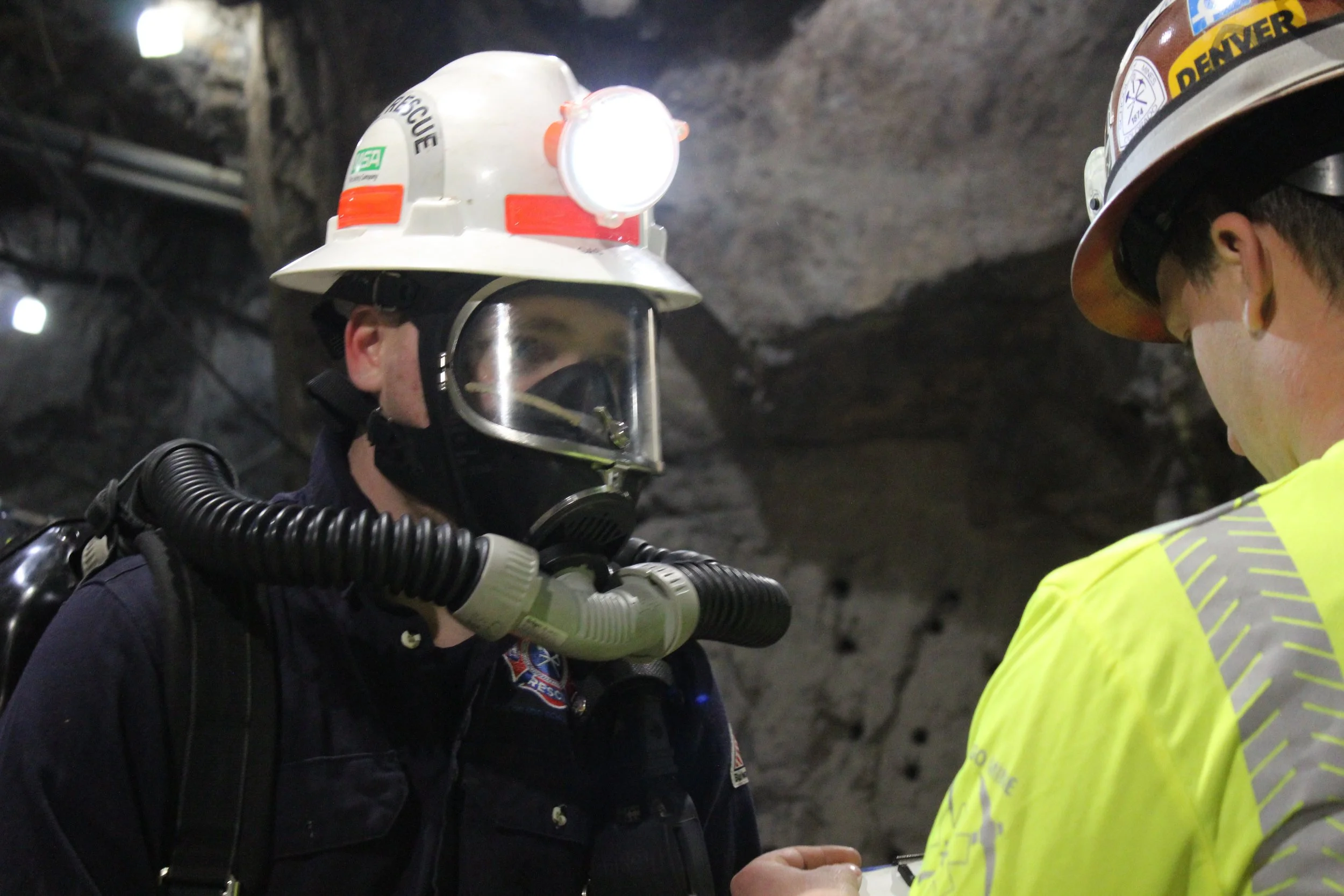
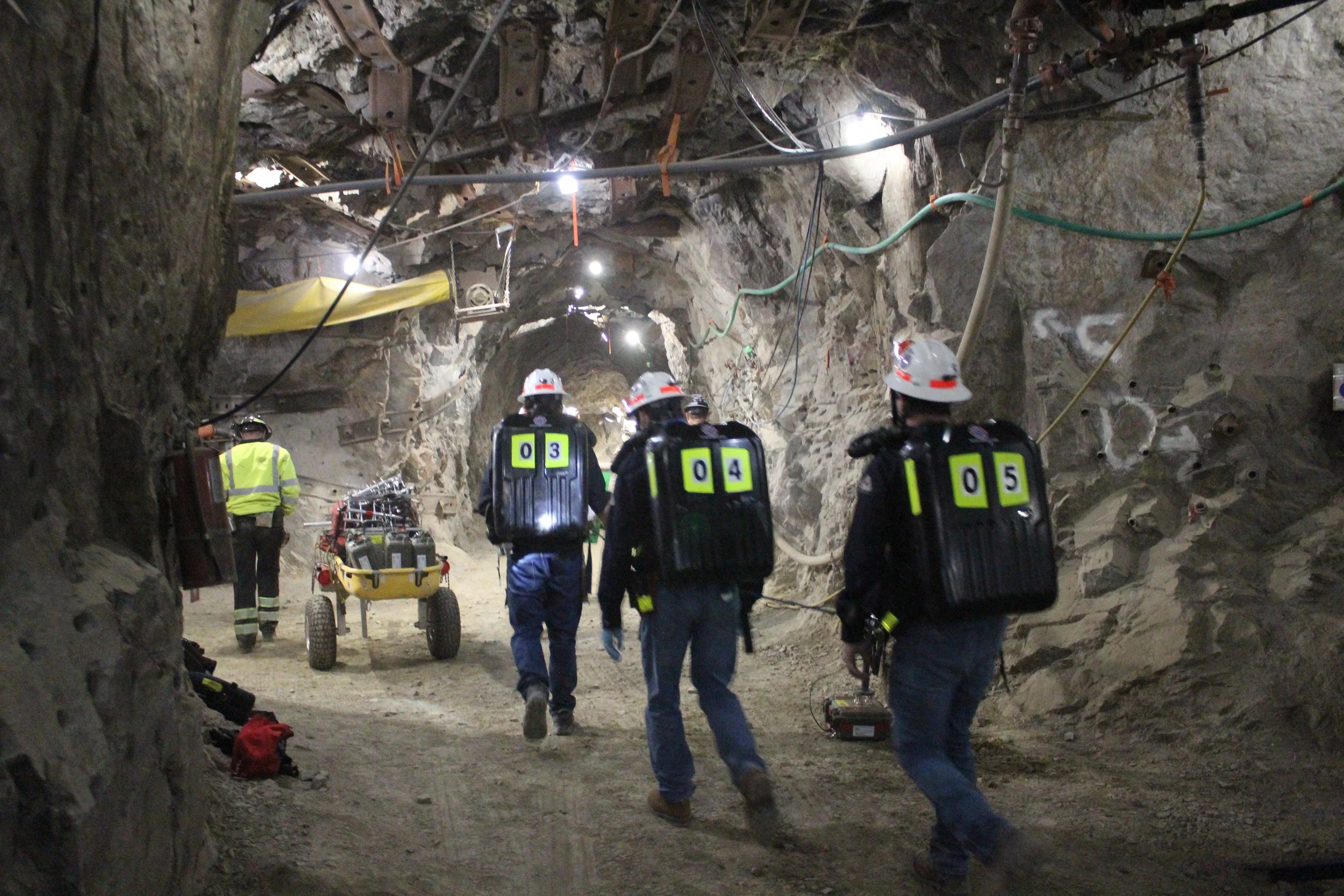
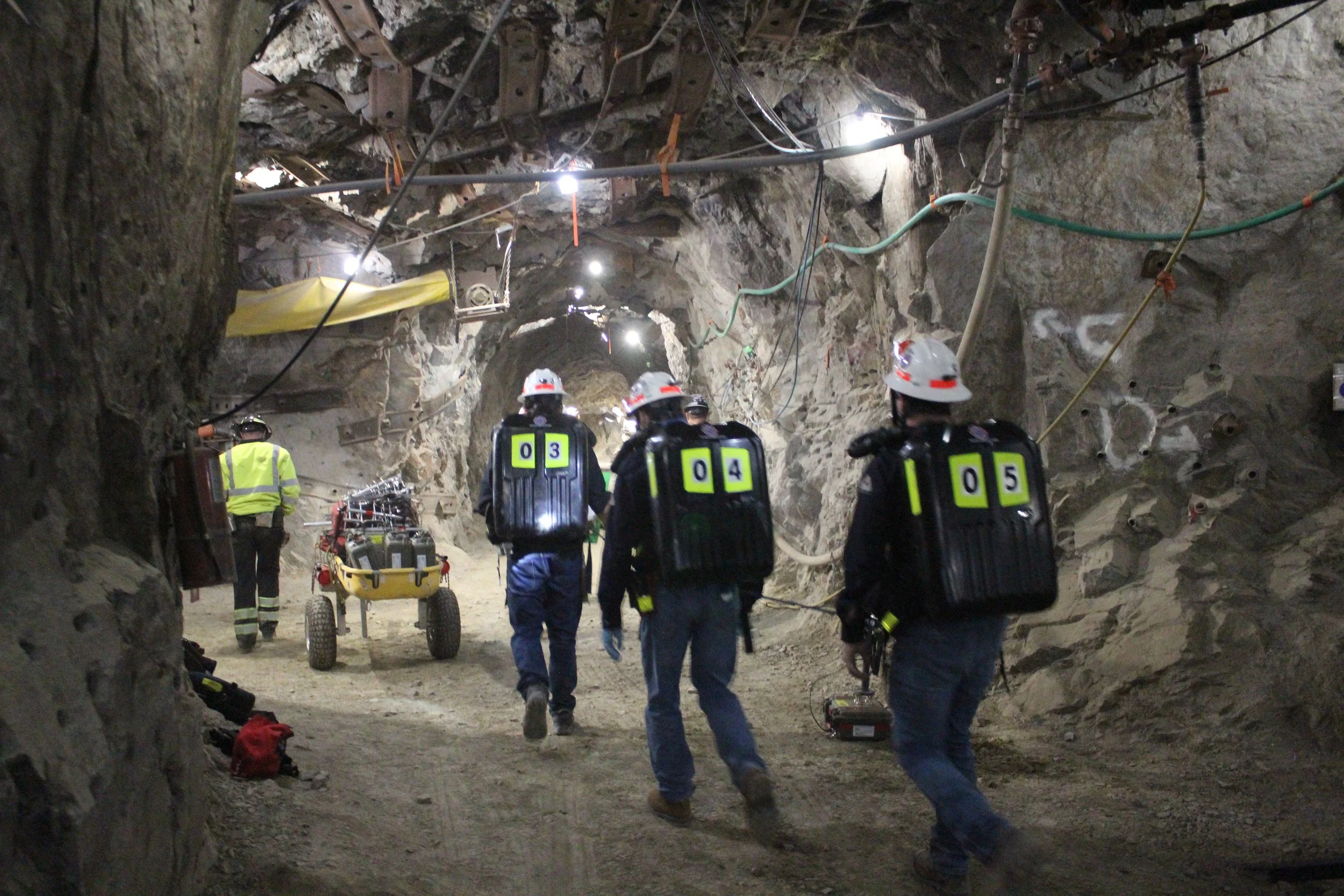
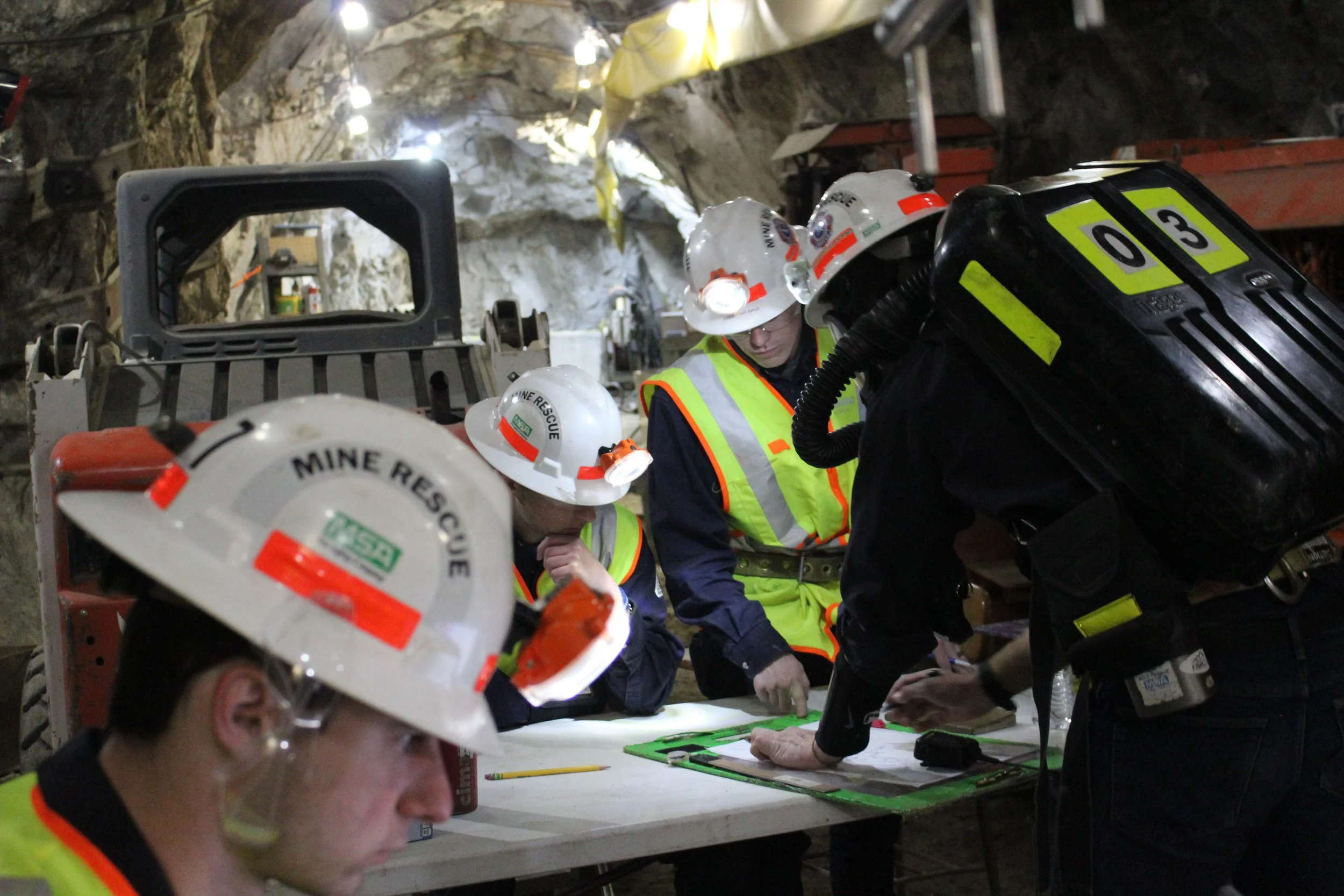
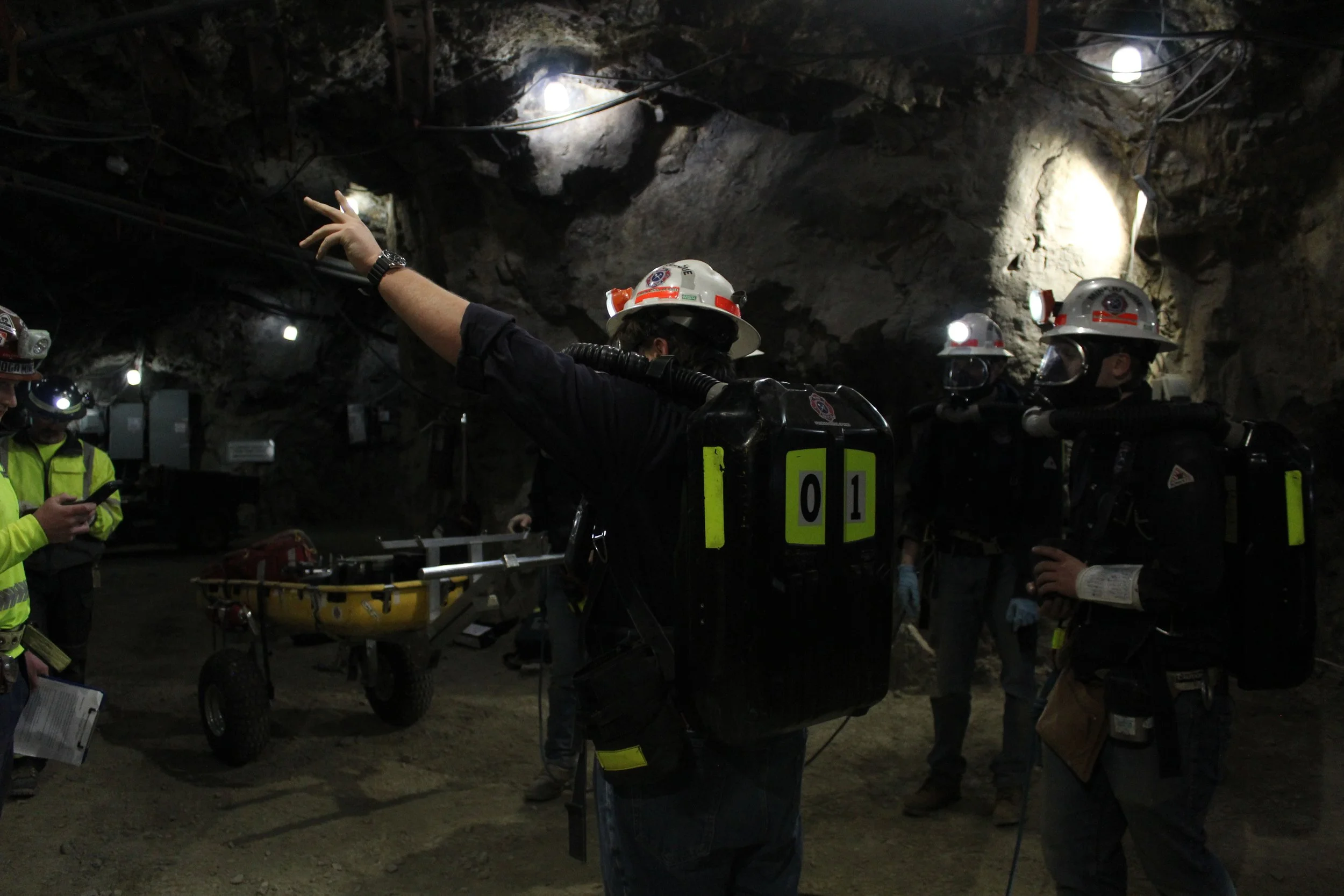
Photos kindly donated by the Colorado Mine Rescue team captain to use for promotional material
Total Training Cost £1,625
FAW Cornwall contribution £975 = 60%
Only 40% to go!
Donation for Mine Rescue First Aid and Teamwork Training
The foundation of a good Mine Rescue Team is excellent First Aid skills and Team Cohesion.
To create this foundation we are raising funds to support the following training for the CSM student Mine Rescue Team ahead of their competition in Colorado, USA next March:
8 Hours online First Aid training in advance of practical training. Teaching the knowledge aspects ahead of the main training allows us to focus on the practical training in the classroom. This is fully assessed throughout the course.
2 days of in-person training in First Aid. With the knowledge aspects already taught in advance we can focus on practical training in Outdoor and Remote First Aid, Including Lone Worker Adaptations. This is our most advanced course with extra focus on delivering First Aid where professional medical assistance is time-remote from the casualties’ location. This training includes advanced teamwork CPR and AED resuscitation, using a range of rigid external splints for different injuries and environments, and much more, listed further down the page. This is fully assessed through practical assessment and written exams.
1 day of in-person Team Cohesion training. Everyone knows the importance of good leadership in rescue situations but what always seems to be missing is teaching good team player skills. Focus is always on how to be a leader - but you can’t be a good leader without a good team. This training puts equal emphasis on both leadership and being lead and resolves the question on how much instruction a leader should give vs how much autonomy a team member should demonstrate.
What is included in the training?
Accident Recording and Reporting
Allergic Reactions and Anaphylaxis
Angina
Assessing an Emergency Situation and Prioritising Appropriate Action
Asthma
Bites and Stings
Burns and Scalds
Chest and Crush Injuries
Choking
CPR and AED
Cryptosporidiosis
Dehydration
Diabetic Emergencies
Effects of Extreme Heat and Cold
Electric Shock
Emergency Outdoor Equipment and Shelters
Environmental Poisoning Including Blue Green Algae and Giant Hogweed
Escherichia coli (E. coli) O157
External Bleeding including life-threatening bleeding
Eye Injuries
Febrile Convulsions
First Aid Equipment and First Aid Box Contents
Online Outdoor First Aid Training:
Foreign Bodies in the Eyes Ears and Nose
Frostbite
Getting Help in an Outdoor Emergency
Head Neck and Spinal Injuries
Heart Attack
Heat Exhaustion
Heatstroke
Hypothermia
Hypothermic Shock
Hypovolaemic Shock
Jellyfish Stings
Panic Attacks
Poisoning
Role and Responsibilities of the First Aider
Sea Urchin Injuries
Seizures
Shock
Snake Bites
Stroke
Suspected Fractures
Ticks and Lyme Disease
Unresponsive Casualties
Weil's Disease
Full detailed First Aid training manual.
CPR. Full CRP training with practice and assessment on a CPR Manikin
AED Training. Full training with practice and assessment in the use of an AED (Automatic External Defibrillator) so you don’t need an additional course
First Aid Equipment. Standard Outdoor & Remote first aid equipment, optional and advanced first aid equipment, First Aid Needs Assessments, how to design a first aid kit for your requirements
Shock. Recognition and treatment of shock and hypovolemic shock
Primary & Secondary Surveys. Detailed training and assessment on primary and secondary surveys on both conscious and unconscious casualties, checking response levels, SAMPLE, head-to-toe assessment
Airways & Breathing. Training and assessment in airway management, breathing difficulties, collapsed lung, flail chest, drowning, choking, abdominal thrusts, asthma, the recovery position
Bleeding Control. Practical training and assessment in the control of bleeding including the use of dressings, wound packing, haemostatic dressings, direct pressure, torniquets, dressing imbedded objects, handing amputations
2-Days In-Person Outdoor and Remote First Aid Training:
Breaks and other physical injuries. Full range of different types of injury including broken bones, dislocations, head & spinal injuries, soft tissue injuries, internal injuries, chest injuries, eye injuries
Splints. Understanding different types of splint and their application on different injuries and different situations. Practical training and assessment in the use of splints
Illnesses. Full range of illnesses including heart attacks, strokes, seizures, diabetes, anaphylactic shock
Burns. Including burns, scalds, chemical burns, electrical burns
Bites. Human, animal, snake & other venomous bites, Australian Pressure Immobilization Technique, spider bites, insect stings, scorpion stings, tick bites, Lyme disease
Environmental. Hypothermia, frostbite, heat stroke, heat exhaustion, dehydration, sunburn, avalanches, lightning, drowning
Evacuation. Directing emergency services to the scene, helicopter landing procedures, winchman procedures, visibility, signalling, flares & smoke, location options, moving a casualty
Lone Worker Adaptations. All subjects mentioned here also include adaptations on how these procedures can be adapted to be used by a person on their own
Information. Dealing with assumptions and bad information
Communication. Good communication is a balance between not enough and too much
Simplification. Cut down excess and unnecessary information
Standardisation. Format all information so everything connects
Leadership. Roles and responsibilities of a team leader
Team Player. Roles and responsibilities of a team member
1 Day In-Person Mine Rescue Leadership and Teamwork Training:
Autonomy. Setting rules for autonomy - what should teams get on with automatically but when should they wait for further instructions
Chain of Command. How to structure a chain of command
Chain of Command Rules. What information gets sent through which levels of the chain of command - does everything get referred to the top?
Resource Distribution. Where are resources needed the most, how much time is lost during redistribution, what do you need in reserve?